
TL;DR
| Feature | Seedance 2.0 | Kling 3.0 |
|---|---|---|
| Resolution | Native 2K (2048x1080) | 1080p max |
| Duration | Up to 15 seconds | Up to 2 minutes |
| Input | Image + Video + Audio + Text (12 refs) | Text + Image |
| Audio | Built-in SFX, music, 8-language lip sync | None |
| Price | From $9.90/mo | From ~$6.99/mo |
| Best for | Multi-modal creative work with audio | Long-form video with realistic motion |
Pick Seedance if you need multi-modal input, built-in audio, the highest resolution, or strong character consistency across scenes. Pick Kling if you need long-form video (up to 2 minutes), excellent motion realism, or the lowest possible monthly price. Use both if your projects span short social clips and longer narrative sequences.
Read on for the full head-to-head breakdown, honest strengths and weaknesses for each platform, pricing analysis, and a practical guide to choosing the right tool for your specific workflow.
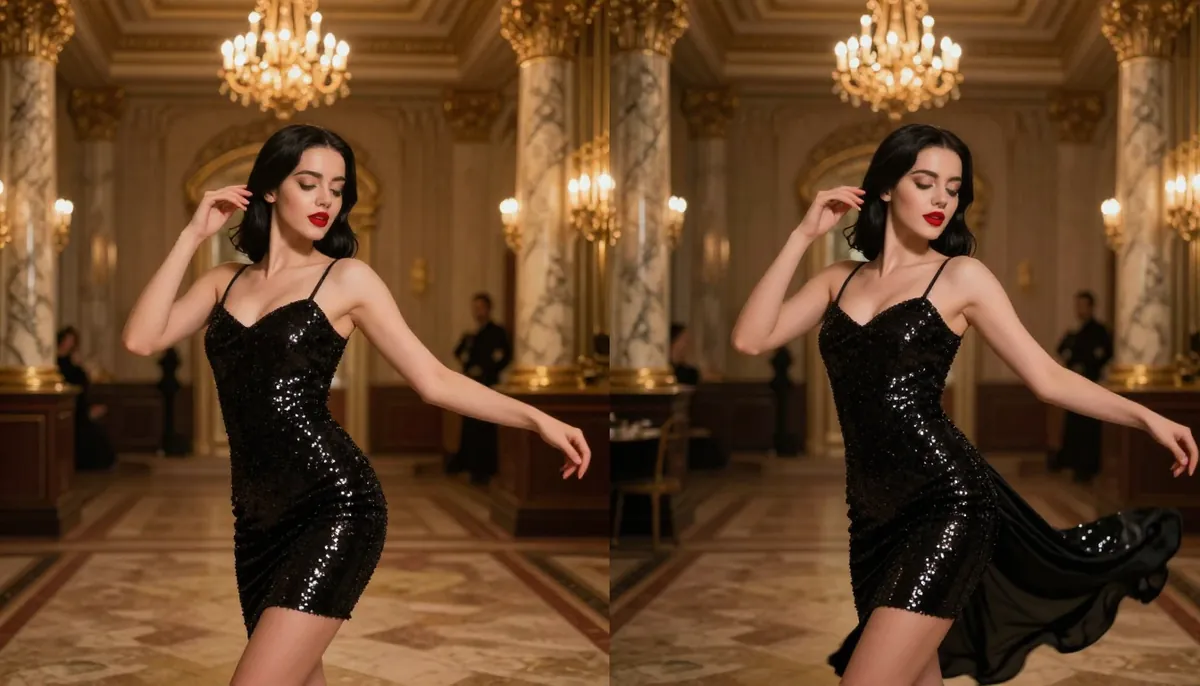
Seedance 2.0 vs Kling 3.0 — two Chinese tech giant-backed AI video generators with very different strengths competing for creators in 2026.
Quick Comparison Table
Before diving into the detailed analysis, here is a comprehensive feature-by-feature comparison of Seedance 2.0 and Kling 3.0. This table covers every major dimension that matters when choosing between these two AI video generators.
| Feature | Seedance 2.0 | Kling 3.0 |
|---|---|---|
| Developer | ByteDance (Seed Team) | Kuaishou Technology |
| Max Resolution | 2K (2048x1080) | 1080p (1920x1080) |
| Max Duration | 15 seconds | 2 minutes (120 seconds) |
| Input Modalities | Image, Video, Audio, Text (up to 12 files) | Text, Image |
| Audio Generation | SFX + Music + 8-language lip sync | No native audio |
| Character Consistency | Strong (multi-image reference, up to 9 images) | Moderate (single image reference) |
| Motion Realism | Strong, especially cinematic movement | Excellent, especially long sequences |
| Camera Control | Reference video-based | Text description + motion templates |
| Aspect Ratios | 16:9, 9:16, 1:1, 4:3, 3:4, custom | 16:9, 9:16, 1:1 |
| Free Tier | Yes (free credits, no card required) | Yes (limited free daily credits) |
| Starter Price | $9.90/month | ~$6.99/month |
| Pro Price | $19.90/month | ~$13.99/month |
| Generation Speed | ~60-120 seconds | ~30-90 seconds |
| Global Availability | Worldwide | Worldwide (some features region-limited) |
| Watermark | None on paid plans | None on paid plans |
| Community Size | Growing | Large, well-established |
Now let us break each of these dimensions down in detail to help you decide which platform fits your creative workflow.
About Seedance 2.0
Seedance 2.0 is a multi-modal AI video generation platform built by ByteDance's Seed research team. It is the third major release in the Seedance model family, following the 1.0 Lite and 1.0 Pro versions from 2025.
The defining feature of Seedance is its quad-modal input system. You can feed the model images, videos, audio clips, and text prompts simultaneously. Upload up to 9 reference images, 3 reference videos, and an audio track alongside your text description. The AI synthesizes all of these inputs into a single coherent video.
Seedance generates at native 2K resolution (2048x1080), includes built-in audio generation with sound effects, background music, and lip sync in 8 languages, and delivers strong character consistency through its multi-image reference system.
For a complete overview of the platform's features, architecture, and history, read our comprehensive guide to Seedance. For a hands-on walkthrough of the generation process, see our complete usage guide.
About Kling 3.0
Kling 3.0 is the flagship AI video generation model developed by Kuaishou Technology. Kuaishou is one of China's largest short-video platforms, often described as the main competitor to ByteDance's TikTok (Douyin) in the Chinese market. The company has invested heavily in AI-generated content as a natural extension of its core video platform.
Kling first gained widespread attention in mid-2025 when it became one of the first AI video generators to produce genuinely impressive results at scale. The model quickly built a large and loyal community of creators, particularly in the Chinese market and among international users who discovered it through viral social media clips.
Kling's standout feature is video duration. It generates videos up to 2 minutes long — the longest of any major AI video generator in 2026. This is not a trivial advantage. Two minutes of coherent, high-quality AI video opens up entirely different creative possibilities compared to the 10-20 second clips most competitors offer.
The platform also earned a reputation for excellent motion realism. Characters walk, run, dance, and interact with objects in ways that feel natural and physically plausible. Fabric drapes correctly. Water flows believably. Hair responds to wind and movement. Kling's motion model is among the best in the industry.
Kling supports text-to-video and image-to-video generation. You can provide a single reference image and a text prompt to guide the generation. The pricing is aggressive — starting around $6.99/month — making it one of the most affordable AI video generators on the market.
Head-to-Head Comparison
This is the core of the seedance vs kling debate. We compare both platforms across eight critical dimensions. We are transparent about where each platform wins. Both are excellent tools built by serious engineering teams.
Video Duration: Kling's Biggest Advantage
Let us start with the category where Kling dominates.
Kling 3.0 generates videos up to 2 minutes (120 seconds) long. This is the longest maximum duration of any mainstream AI video generator in 2026. No other platform — not Seedance, not Sora, not Runway, not Pika — comes close to this. Two minutes of coherent AI-generated video is genuinely impressive.
Seedance 2.0 generates videos up to 15 seconds long. This is competitive with most other AI video generators but far short of Kling's 2-minute ceiling.
The gap here is enormous. Kling offers 8 times the maximum duration.
Why does this matter?
Two minutes of video fundamentally changes what you can create. With 15 seconds, you are limited to single moments — a product reveal, a mood clip, a short social media post. With 2 minutes, you can tell a story. You can show a complete product demonstration. You can create a full music video. You can produce a short film or an animated explainer that covers a complete topic.
For creators who need narrative depth, extended camera movements, or scenes that develop over time, Kling's duration advantage is transformative. It is not just "slightly longer." It opens up entirely different categories of content.
How Seedance handles longer content:
To create longer content with Seedance, you generate multiple 15-second clips and stitch them together in editing software. This works but adds production steps. Seedance's reference video system helps maintain visual continuity between clips, but the workflow is more involved than Kling's single-generation approach.
Winner: Kling 3.0 by a decisive margin. This is Kling's single biggest competitive advantage in the entire AI video landscape, not just against Seedance. If duration is your priority, Kling is the clear choice.
Video Quality and Resolution: Seedance's Technical Edge
Resolution is where Seedance takes a measurable lead.
Seedance 2.0 generates at native 2K resolution (2048x1080) in landscape mode. This is not upscaled 1080p. The model renders natively at 2K, which means genuinely finer detail in textures, sharper edges on text and objects, and more headroom for cropping or zooming in post-production. ByteDance has confirmed that 4K support is in development.
Kling 3.0 generates at 1080p (1920x1080) maximum. The output is clean and visually appealing, but it cannot match Seedance's pixel-level detail at 2K. On smartphones, the difference is subtle. On desktop monitors, large screens, or when you crop footage for close-ups, the extra resolution becomes visible and valuable.
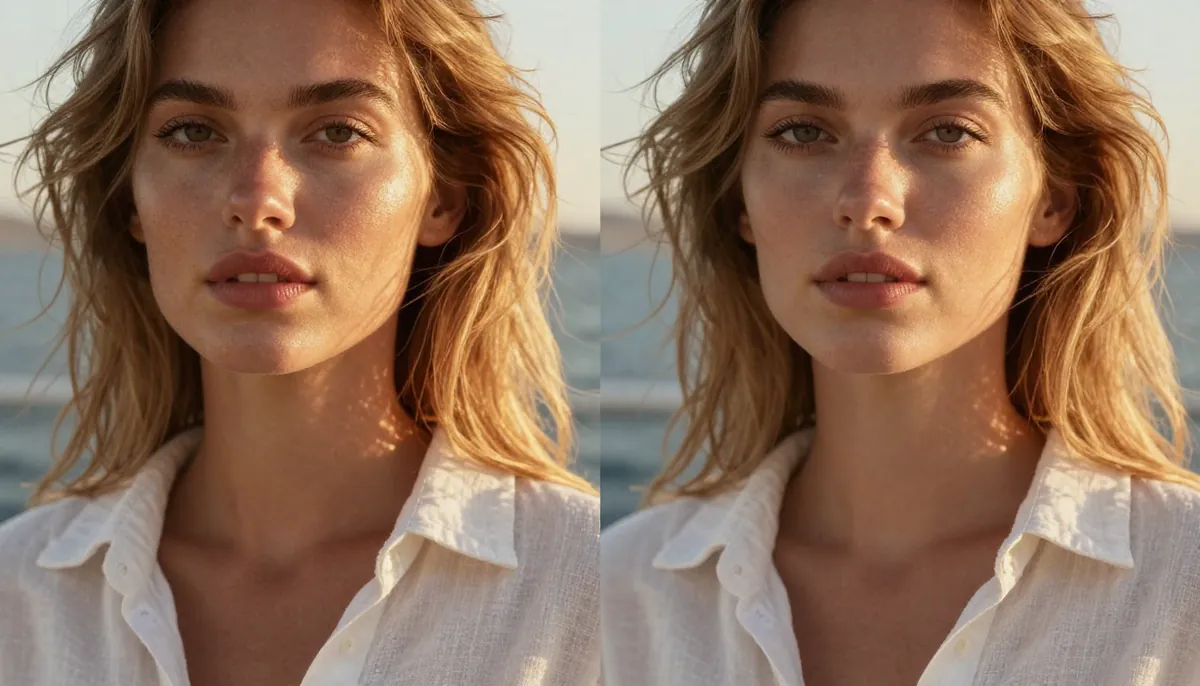
Resolution detail comparison — cropped sections showing Seedance 2K output (left) and Kling 1080p output (right). The difference is most visible in fine textures, text clarity, and edge sharpness.
Beyond raw resolution, the two platforms produce different visual aesthetics.
Seedance tends toward a cinematic look. Colors are rich and contrasty. Lighting feels intentional, with dramatic shadows, volumetric fog, and lens flare effects that mimic professional cinematography. The model appears to be trained heavily on high-end film and commercial footage.
Kling tends toward a naturalistic look. Colors are balanced and true-to-life. Lighting is realistic without heavy stylization. The model seems optimized for motion realism over visual drama, which gives the output a documentary or candid video feel.
Neither approach is objectively better. If you want your AI video to look like a movie trailer, Seedance's aesthetic aligns more closely. If you want your AI video to look like natural footage, Kling's aesthetic may be preferable.
Winner: Seedance 2.0 on resolution (2K vs 1080p) and cinematic quality. Kling's naturalistic style is equally valid but does not compensate for the resolution gap in professional use cases.
Input Modalities: Seedance's Quad-Modal System
This is one of the most important functional differences in the seedance vs kling comparison.
Seedance 2.0 accepts four input modalities simultaneously:
- Images (up to 9) — Portraits, product photos, concept art, style references. The AI preserves identity, color palette, and visual style from your reference images.
- Videos (up to 3, total 15 seconds max) — Reference clips for camera movement, choreography, or motion style. Seedance extracts movement patterns and applies them to new content.
- Audio (MP3, up to 15 seconds) — Soundtracks or sound effects. The generated video syncs to the audio's rhythm, beat, and mood.
- Text — Natural language descriptions guiding scene composition, style, and action.
You can combine up to 12 reference files across these modalities in a single generation. Upload 5 product photos, 2 reference videos showing camera angles you like, an audio track, and a text prompt — all at once.
Kling 3.0 accepts two input modalities:
- Text — Natural language descriptions. Kling's text understanding is solid and handles most standard prompts well.
- Image (1 reference image) — A single reference image for image-to-video generation. You cannot upload multiple reference images simultaneously.
Kling does not accept video references or audio input. You cannot provide a reference clip to guide camera movement. You cannot supply an audio track for the AI to sync to.
Practical impact by use case:
- Product marketing: You have 6 product photos from different angles. With Seedance, upload all 6 and the AI creates a video showing the product from multiple perspectives with consistent identity. With Kling, upload 1 photo and describe the rest in text.
- Character-driven content: You need the same character in 10 different videos. With Seedance, upload 5-9 reference images of that character for each generation. With Kling, upload 1 image and hope for consistency across separate generations.
- Music videos: You have a 15-second audio clip. With Seedance, the video syncs to the music automatically. With Kling, generate a silent video and manually sync the audio in post-production.
- Motion reference: You found a camera movement you love in an existing video. With Seedance, upload that clip as a motion reference. With Kling, describe the camera movement in text.
Winner: Seedance 2.0 by a wide margin. Quad-modal input versus dual-modal input is a fundamental capability difference. For any workflow that involves existing visual or audio assets, Seedance's input system is significantly more powerful.
Audio Generation: Seedance's Exclusive Feature
Audio is where the kling vs seedance comparison becomes one-sided.
Seedance 2.0 includes a complete built-in audio generation system with three components:
- Sound effects (SFX): Context-appropriate sounds — footsteps, rain, ambient noise, impacts, machinery — generated automatically to match the visual content. You do not need to source, license, or sync sound effects manually.
- Background music: AI-generated musical scores matching the mood, tempo, and style of your video. Choose from various genres and emotional tones.
- Lip sync in 8 languages: Speaking characters get synchronized mouth movements in English, Chinese, Japanese, Korean, Spanish, French, German, and Portuguese. Lip movements match the audio track naturally.
This means every Seedance video can be publish-ready with synchronized audio in a single generation step. No external audio tools. No manual syncing. No additional editing software.
Kling 3.0 has no native audio generation. Every video Kling produces is silent. To add sound, you must:
- Export the video from Kling.
- Open it in a video editor (Premiere Pro, DaVinci Resolve, CapCut, etc.).
- Find, create, or license appropriate sound effects and music.
- Manually sync the audio to the visual content.
- Export the final combined video.
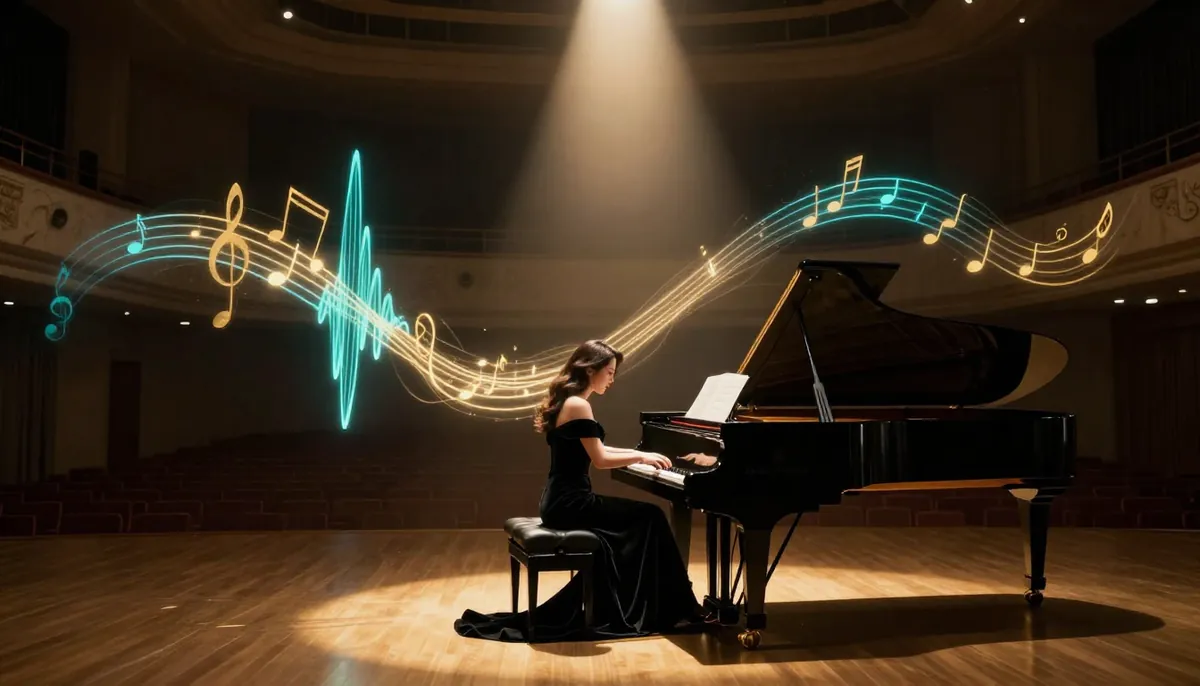
Seedance 2.0 generates complete videos with synchronized audio — sound effects, music, and lip sync — while Kling produces silent video that requires external audio editing.
Real-world time impact:
Consider producing a batch of 10 social media videos per week. With Seedance, each video is generated with audio included. Total generation time: roughly 10-20 minutes for the batch. With Kling, you generate 10 silent videos, then spend 15-30 minutes per video adding audio in post-production. That is an additional 2.5-5 hours of audio editing per week.
Over a month, that adds up to 10-20 hours of extra production time. For solo creators and small teams, this is a significant productivity difference.
When silent video is acceptable:
Not every workflow needs built-in audio. If you always add custom soundtracks in post-production, if you create B-roll footage for larger projects, or if you produce content for platforms that often play on mute (like LinkedIn feeds), Kling's lack of audio is less of a disadvantage. Professional editors with established audio workflows may not miss this feature.
Winner: Seedance 2.0 decisively. Built-in audio generation versus no audio is not a subtle difference. For most creators who publish videos with sound, this feature alone can justify choosing Seedance. For a guide on maximizing Seedance's audio capabilities, see our complete usage guide.
Motion Realism and Physics: Kling's Strength
Motion quality is where Kling has built its strongest reputation. The platform's motion model is genuinely excellent, and this is a category where we give Kling significant credit.
Kling 3.0 excels at:
- Human body movement — Characters walk, run, sit, stand, and interact with their environment in ways that feel natural. Weight distribution, balance shifts, and momentum all look physically plausible. This is one of Kling's most praised capabilities.
- Long-sequence coherence — With 2 minutes of generation time, Kling can maintain motion consistency across extended sequences. A person walking down a street for 90 seconds looks natural throughout. The model does not degrade or produce artifacts as the sequence extends.
- Fluid dynamics — Water, smoke, fog, and other fluid elements move convincingly. Pouring liquids, splashing water, and rising steam all render with physical accuracy.
- Complex interactions — Multiple characters interacting, objects being handed between people, and coordinated group movements are handled well. Many AI video generators struggle with multi-subject interactions. Kling handles them better than most.
- Everyday scenarios — Cooking, walking, talking, driving — Kling produces remarkably believable footage of common human activities. The motion model seems optimized for real-world scenarios rather than fantastical ones.

Motion realism comparison — Kling (right) excels at natural human movement and long-sequence coherence, while Seedance (left) leads in cinematic camera work and dramatic lighting transitions.
Seedance 2.0 excels at:
- Cinematic camera movement — Smooth dolly shots, tracking movements, crane-like aerial sweeps, and complex multi-axis camera paths. The reference video system for camera control contributes to precise, professional-feeling camera work.
- Lighting dynamics — Transitions between lighting environments — shadow to light, neon reflections on wet surfaces, golden hour shifts — render with a cinematic quality that looks intentional and polished.
- Facial micro-expressions — Subtle emotional shifts, eye movement, and expressive detail are convincing. This works especially well in combination with the lip sync system for speaking characters.
- Fabric and texture — Clothing drape, hair physics, and material-specific rendering (the difference between silk and cotton, leather and suede) are handled with attention to detail.
Where both platforms still struggle:
Neither platform has fully solved certain persistent challenges in AI video generation. Hands and fingers remain inconsistent, though both have improved significantly over their predecessors. Very fast, complex athletic movements (martial arts sequences, gymnastics, contact sports) can produce artifacts. And both occasionally generate physically impossible elements — reflections that do not match their source, gravity-defying movements, or objects passing through each other.
Winner: Kling 3.0 on overall motion realism, particularly for human movement and long sequences. Seedance 2.0 on cinematic camera work and lighting dynamics. If natural-looking motion is your top priority, Kling has a genuine edge. If cinematic visual polish matters more, Seedance delivers.
Character Consistency: Seedance's Multi-Reference System
Maintaining the same character identity across multiple videos and scenes is critical for serialized content, brand campaigns, and storytelling. The two platforms approach this challenge with fundamentally different architectures.
Seedance 2.0 achieves character consistency through its multi-image reference system. Upload up to 9 images of the same person or character. Include different angles (front, profile, three-quarter), different expressions (smiling, serious, surprised), and different lighting conditions. The AI builds a comprehensive internal representation of that character's identity.
In subsequent generations using those same reference images, the face, body type, hair style, skin tone, and even clothing style remain consistent. This works across wildly different scene compositions — the same character in an office, on a beach, in a sci-fi environment — while maintaining recognizable identity.
The more reference images you provide, the stronger the consistency. With 5-9 well-chosen reference images, Seedance maintains identity remarkably well across dozens of separate video generations.
Kling 3.0 supports single-image reference for character-to-video generation. Upload one reference photo, write a prompt, and Kling generates video featuring that character. Within a single generation, the character remains consistent. The model preserves facial features and general appearance from the reference image.
However, consistency across separate generations is less reliable with a single reference image. Subtle variations in facial proportions, skin tone, hair texture, and body type can appear between different video generations. These variations may be acceptable for standalone videos but become noticeable when you place multiple generations side-by-side for a video series or campaign.
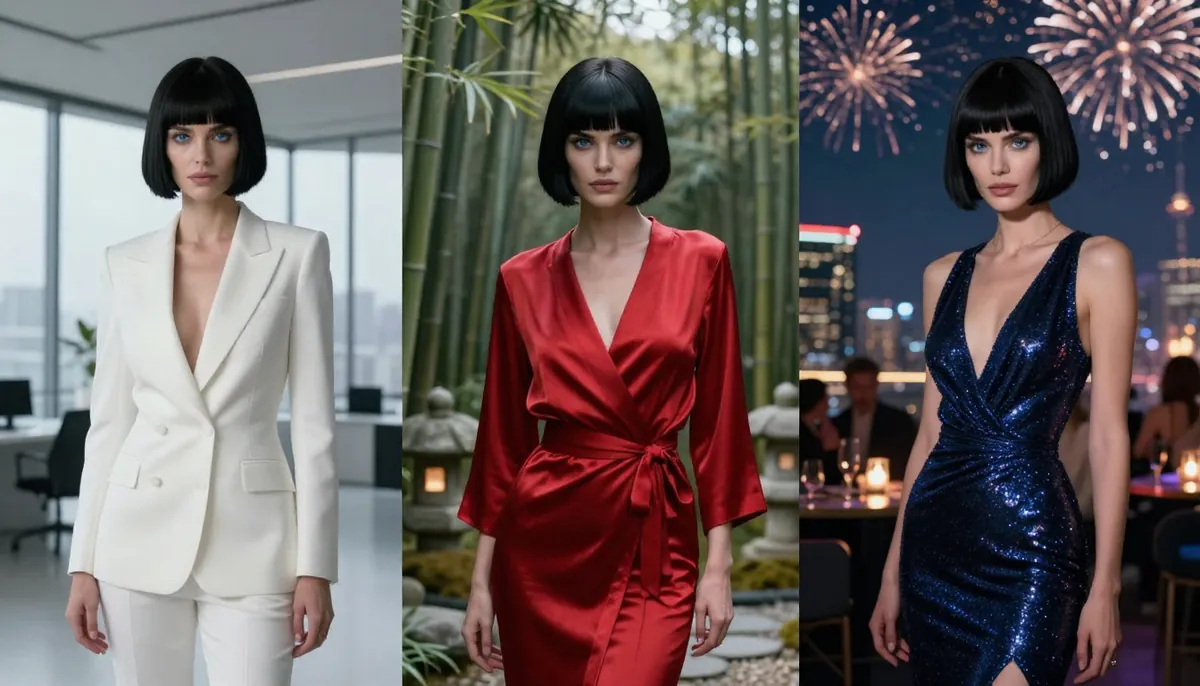
Character consistency across multiple scenes — Seedance (top) uses up to 9 reference images for robust identity preservation. Kling (bottom) uses a single reference image, producing good but less consistent results across separate generations.
When character consistency matters most:
- Brand campaigns: A virtual spokesperson appearing across a month-long ad campaign. Every video needs the same person. Seedance's multi-reference system is built for this.
- Social media series: A recurring character in a weekly content series. Followers notice when the character's face changes between episodes.
- E-commerce models: The same virtual model showcasing different products. Consistent identity builds brand recognition and trust.
- Storytelling: A character moving through different scenes in a narrative sequence. Identity drift breaks the viewer's immersion.
When consistency is less critical:
If you produce standalone videos, create abstract or stylized content, or generate diverse crowd scenes, character consistency is less important. For these use cases, Kling's single-image approach is perfectly adequate.
Winner: Seedance 2.0 for multi-scene and multi-video character consistency. The 9-image reference system versus 1-image reference is a significant architectural advantage. For single-video character accuracy, both platforms perform well.
Pricing Battle: Both Affordable, Kling Cheaper
Pricing is often the deciding factor for individual creators and small teams. Both Seedance and Kling are significantly more affordable than Western competitors like Sora or Runway. But Kling holds a clear pricing edge.
Seedance Pricing
| Plan | Monthly Price | Credits | Key Features |
|---|---|---|---|
| Free | $0 | Signup bonus (no card required) | Full quality, all models, all features |
| Starter | $9.90/month | Moderate allocation | Priority queue, all features |
| Pro | $19.90/month | Large allocation | Maximum credits, priority generation |
Every Seedance plan generates the same quality output. Free users get the same 2K resolution, the same models, and the same audio generation as Pro users. The only difference is credit volume. No watermarks on any paid tier.
For a detailed breakdown of how to maximize free credits, read our Seedance free guide.
Kling Pricing
| Plan | Monthly Price | Credits | Key Features |
|---|---|---|---|
| Free | $0 | Limited daily credits | Standard quality, basic features |
| Standard | ~$6.99/month | Moderate allocation | Full quality, standard queue |
| Pro | ~$13.99/month | Large allocation | Priority queue, all features |
Kling's pricing is among the lowest in the AI video generation market. The ~$6.99/month entry point is hard to beat. Free users get daily credits, though the allocation is limited and the queue priority is lower.
Cost-Per-Video Analysis
| Scenario | Seedance Starter ($9.90/mo) | Kling Standard (~$6.99/mo) | Kling Pro (~$13.99/mo) |
|---|---|---|---|
| Monthly cost | $9.90 | ~$6.99 | ~$13.99 |
| Estimated videos/month | ~30-50 | ~40-60 | ~80-120 |
| Cost per video | ~$0.20-0.33 | ~$0.12-0.17 | ~$0.12-0.17 |
| Includes audio | Yes | No | No |
| Max resolution | 2K | 1080p | 1080p |
| Max duration | 15 seconds | 2 minutes | 2 minutes |
On raw cost per video, Kling is cheaper. At ~$6.99/month, it delivers more videos at a lower price point than Seedance's $9.90/month starter tier. And each Kling video can be up to 2 minutes long versus Seedance's 15 seconds. In terms of cost per second of video generated, Kling's advantage is even larger.
However, Seedance's cost per video includes audio. If you factor in the time and potential cost of adding audio to Kling's silent output (even using free tools like CapCut, the time cost is real), the effective value gap narrows.
The value calculation depends on your workflow:
- If you need silent video or handle audio separately: Kling offers better raw value.
- If you need publish-ready video with sound: Seedance's included audio generation saves time that has its own cost.
- If duration matters more than features: Kling's 2-minute videos at ~$6.99/month are exceptional value.
- If resolution and input flexibility matter more: Seedance's 2K output and quad-modal input justify the price premium.
For full Seedance pricing details, visit our pricing page.
Winner: Kling 3.0 on raw pricing. It is one of the cheapest AI video generators available, and the 2-minute duration multiplies the value of every credit spent. Seedance offers competitive pricing with more features included per generation, but Kling wins the pure price comparison.
Speed and Reliability
Generation speed matters when you are iterating on ideas or producing content on a deadline.
Kling 3.0 is generally faster. Typical generation times range from 30 to 90 seconds for standard-length videos. Shorter clips (under 30 seconds) often complete in under a minute. Longer 2-minute generations naturally take more time but remain reasonably fast. The platform benefits from Kuaishou's significant infrastructure investment.
Seedance 2.0 typically generates in 60 to 120 seconds. Simpler prompts (text-only, short duration) finish faster. Complex multi-modal requests with several reference files take longer, as the AI must process and synthesize multiple inputs. Paid users get priority queue access during high-demand periods.
Queue times during peak hours:
Both platforms experience longer queues during peak usage periods. Kling's large user base, particularly in the Asian time zones, can create extended wait times during evening hours in China. Seedance's global user base distributes load more evenly across time zones.
Reliability:
Both platforms maintain high uptime. Kling runs on Kuaishou's infrastructure, which handles billions of video operations for Kuaishou's consumer platform. Seedance runs on ByteDance's global infrastructure, benefiting from the same backbone that serves TikTok. Neither platform experiences frequent outages.
Winner: Kling 3.0 on raw generation speed. Seedance is competitive but takes slightly longer, particularly for multi-modal generations. Both are reliable.
When to Choose Seedance
Seedance 2.0 is the stronger choice when your workflow matches any of the following scenarios:
1. You have existing visual assets and want to use them. If you are an e-commerce brand with product photos, a content creator with a library of images, or a marketing team with brand materials, Seedance's quad-modal input converts those assets directly into video. Uploading 5-9 reference images produces far more accurate results than describing everything in text.
2. You need video with audio, ready to publish. If you post to TikTok, Instagram Reels, YouTube Shorts, or any platform where sound matters, Seedance generates complete videos with synchronized SFX, music, and lip sync. No external editing. No manual audio syncing. One generation, one output, ready to go.
3. You need the highest resolution available. For professional content, desktop viewing, large-screen presentations, or any use case where visual detail matters, Seedance's native 2K output provides a tangible quality advantage over Kling's 1080p.
4. You need consistent characters across multiple videos. If you produce serialized content — brand campaigns, recurring characters, virtual spokespersons, storytelling series — Seedance's 9-image reference system maintains character identity across dozens of separate video generations.
5. You want multi-language lip sync. If you create content for international audiences, Seedance's 8-language lip sync (English, Chinese, Japanese, Korean, Spanish, French, German, Portuguese) lets you produce localized talking-head videos without separate lip sync tools.
Start creating with Seedance for free →
When to Choose Kling
We believe in honest comparisons. Kling 3.0 is a genuinely excellent platform with real advantages that Seedance cannot match in certain areas. Here are five scenarios where Kling is the better choice:
1. You need videos longer than 15 seconds. This is Kling's defining advantage. If you create explainer videos, product walkthroughs, mini-documentaries, short films, or any content that requires more than 15 seconds of continuous footage, Kling's 2-minute maximum is transformative. You simply cannot produce a 90-second single-take video with Seedance. With Kling, you can.
2. You prioritize motion realism above all else. Kling's motion model is among the best in the industry. If your content centers on natural human movement — walking, running, dancing, interacting with objects — Kling consistently produces some of the most physically plausible results available. Characters feel like they have weight. Movements have momentum. Physics feel real.
3. You are on a tight budget. At approximately $6.99/month, Kling is one of the most affordable AI video generators on the market. If you are a student, hobbyist, or solo creator watching every dollar, Kling delivers serious capability at a price that undercuts almost every competitor. Combined with the 2-minute duration, the value per dollar is exceptional.
4. You produce longer narrative content. If your creative work involves storytelling — short films, animated stories, scene-based narratives — Kling's extended duration lets scenes breathe and develop. A character walking through a changing environment for 60 seconds creates mood and atmosphere that a 15-second clip cannot achieve. For narrative-driven creators, duration is creative oxygen.
5. You want an established community and ecosystem. Kling has been available longer and has built a large, active community of creators. There are extensive tutorials, prompt libraries, and community galleries available. If you value learning from a large community and seeing what others have created for inspiration, Kling's ecosystem is more mature.
Use Both Together
Seedance and Kling have complementary strengths. Using both platforms together can produce results that neither achieves alone. Here are three practical workflows:
Workflow 1: Kling for Long Sequences, Seedance for Polished Clips
Use Kling to generate your long-form content — 30-second to 2-minute sequences where duration and natural motion matter most. Use Seedance for hero clips — the 10-15 second highlight reels, the opening hooks, the money shots where you need 2K resolution, perfect audio sync, and cinematic visual quality. Stitch the results together in your editor.
Workflow 2: Seedance for Audio-Ready Content, Kling for Silent B-Roll
Use Seedance for any video that needs to be publish-ready with sound — social media posts, speaking characters, product ads with music. Use Kling for background footage, ambient scenes, and extended B-roll that you will layer your own audio over in post-production. Kling's 2-minute duration is perfect for B-roll libraries where you need quantity and length.
Workflow 3: Kling for Motion Exploration, Seedance for Brand-Consistent Finals
Use Kling's excellent motion realism and fast generation speed to prototype movement concepts. Generate quick drafts exploring different scenes, movements, and compositions. Once you have a direction you like, recreate the final version in Seedance with your brand's reference images, specific audio requirements, and 2K resolution for the polished deliverable.
Workflow 4: Seedance for Character Establishment, Kling for Extended Scenes
Use Seedance's multi-image reference system to establish a character's identity with high consistency in short, detailed clips. Once the character is established, use Kling's longer duration to place that character in extended scenes. Since viewers already have a mental model of the character from the Seedance clips, minor consistency variations in the Kling footage are less noticeable.

Seedance 2.0's quad-modal input system — combine reference images, videos, audio tracks, and text prompts for precise creative control unavailable in text+image-only platforms.
The tools are not mutually exclusive. Many professional creators maintain subscriptions to multiple AI video generators and choose the right tool for each task. At a combined cost of roughly $17/month for both Seedance Starter and Kling Standard, you get access to the best of both worlds for less than most single competitors charge.
Frequently Asked Questions
Is Seedance better than Kling?
It depends entirely on your priorities. Seedance 2.0 offers higher resolution (2K vs 1080p), quad-modal input (image, video, audio, text), built-in audio generation, and superior character consistency. Kling 3.0 offers dramatically longer video duration (2 minutes vs 15 seconds), excellent motion realism, faster generation speed, and lower pricing. For short-form social media content with audio, Seedance wins. For long-form narrative content with natural motion, Kling wins.
Is Kling cheaper than Seedance?
Yes. Kling's Standard plan starts at approximately $6.99/month compared to Seedance's Starter plan at $9.90/month. Kling also provides more video seconds per credit due to its 2-minute maximum duration. On a cost-per-second basis, Kling is significantly more affordable. However, Seedance's price includes built-in audio generation, which would otherwise require additional tools and time to add to Kling's silent output.
Can Kling generate audio like Seedance?
No. Kling 3.0 does not have any native audio generation capabilities. All videos are produced without sound. To add sound effects, music, or dialogue, you must use external audio editing software. Seedance 2.0 includes built-in sound effects, background music generation, and lip sync in 8 languages as part of the standard generation pipeline.
Which generates longer videos, Seedance or Kling?
Kling generates much longer videos. Kling 3.0 supports video generation up to 2 minutes (120 seconds), which is the longest duration of any major AI video generator. Seedance 2.0 supports up to 15 seconds. Kling's duration advantage is its single biggest differentiator.
Can Seedance match Kling's motion realism?
Seedance 2.0 produces strong motion quality, especially in cinematic camera work and facial expressions. However, Kling 3.0 is widely recognized as having some of the best motion realism in the AI video industry, particularly for human body movement, physical interactions, and long-sequence coherence. For motion-heavy content — dance, sports, complex character interactions — Kling has an edge.
Do both platforms have free tiers?
Yes. Seedance offers free signup credits with no credit card required. You can generate multiple videos at full 2K quality with all features including audio. Kling offers limited free daily credits. Both free tiers let you test the platform before committing to a paid plan, though the free credit amounts are modest.
Which is better for TikTok and social media content?
For short-form social content (TikTok, Instagram Reels, YouTube Shorts), Seedance has advantages: built-in audio for publish-ready videos, 2K resolution, multiple aspect ratios, and multi-modal input for brand consistency. Kling's 2-minute duration is generally unnecessary for short-form platforms where most content is under 60 seconds. However, Kling's lower price and excellent motion realism make it a viable choice for high-volume social content where audio is added separately.
Who makes Seedance and Kling?
Seedance is developed by ByteDance's Seed research team. ByteDance is the parent company of TikTok and Douyin. Kling is developed by Kuaishou Technology, which operates China's second-largest short-video platform (Kuaishou/Kwai). Both are major Chinese technology companies with extensive experience in video technology, AI research, and large-scale content platforms.
Verdict
The seedance vs kling comparison is not about one platform being universally better than the other. These are two excellent AI video generators with genuinely different strengths.
Kling 3.0 is a duration and motion powerhouse. Two minutes of coherent AI video at excellent motion quality for ~$6.99/month is remarkable value. If your work requires extended sequences, natural human movement, or budget-conscious high-volume production, Kling is hard to beat. Kuaishou's deep investment in motion modeling has paid off. Kling earns its reputation.
Seedance 2.0 is a multi-modal creative studio. Quad-modal input, native 2K resolution, built-in audio with lip sync in 8 languages, and 9-image character consistency — these features produce a level of creative control and output quality that Kling's simpler input system cannot match. For publish-ready content with sound, brand-consistent campaigns, and visual-asset-driven workflows, Seedance delivers more capability per generation.
Our recommendation depends on your primary use case:
- Social media creators who need ready-to-publish videos with audio: Choose Seedance. The built-in audio alone saves hours per week. Start creating for free →
- Narrative creators who need extended video sequences: Choose Kling. Two minutes of generation time opens creative doors that 15 seconds cannot.
- Brand marketers with existing visual assets: Choose Seedance. Multi-modal input and character consistency are built for brand workflows.
- Budget-conscious creators who need maximum output volume: Choose Kling. The ~$6.99/month price point with 2-minute duration delivers exceptional value per dollar.
- Professional creators who want the best of both: Subscribe to both. At ~$17/month combined, you get 2K audio-equipped short clips and 2-minute motion-rich sequences.
For comparisons with other platforms, read our Seedance vs Sora analysis and our complete 2026 AI video generator ranking.
Ready to see what Seedance 2.0 can do? Every new user gets free credits. No credit card required. No geographic restrictions. Generate your first 2K video with synchronized audio in under 2 minutes.